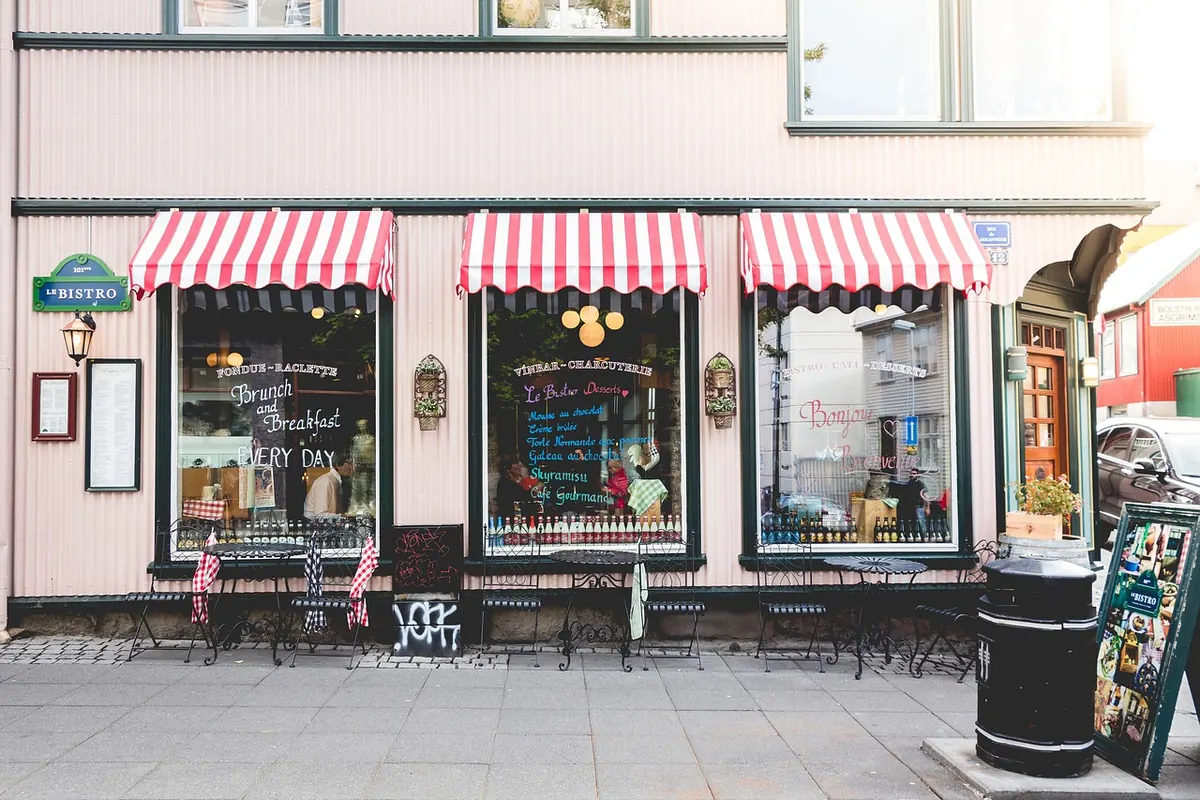
Pivoting in a UK City Centre: Adapting Your Business for Hybrid Workers
For years, the centre of a British city ran to a simple rhythm. Commuters arrived, bought coffee, bought lunch, bought a card on the way to the station. That rhythm has not stopped, but it is playing at a different tempo. If your offer still assumes five full days of office workers, you are chasing demand that has thinned out and ignoring demand that has grown. The businesses holding their ground are the ones treating hybrid working as a change in who the customer is, not as a temporary wobble to sit out.
Read the New Weekly Rhythm
Most city centres now have a split week. Tuesday to Thursday still feel like a working city: meetings, lunches, teams in for their anchor days. Monday and Friday often feel like a quiet market town with better bus links. Within those days, the shape has changed too. Lunch trade arrives later and finishes faster. The after-work pint or slice of cake has thinned out midweek, while Thursday has quietly become the new Friday for teams who book one evening a month together.
Before you change anything, look at your own data. Pull eight weeks of takings broken down by day and by hour, not just weekly totals. You are looking for three things: the busiest 90 minutes, the deadest two hours, and the day that consistently underperforms. Those three answers will tell you more about your next move than any general theory about hybrid working.
Match Your Hours to Your Real Customers
Opening hours are the cheapest pivot available, and often the most effective. If Monday mornings are now a write-off but Saturday brunch has a queue, moving your week around to reflect that costs you very little and buys you a better-rested team.
Two cautions. First, test before you commit: run new hours for a month and watch whether the trade you gain outweighs what you lose. Second, remember that contracted hours and rotas are employment matters, not marketing decisions. If you are changing people's shifts, reducing hours or restructuring roles, take proper HR or legal advice before you announce anything.
Think about the edges of the day rather than the middle. A café near an office cluster may find that the reliable money is now in a proper breakfast served from 7.30am, and in an early evening window for people who leave the office at 4pm to beat the school run.
Rebuild the Offer Around How People Actually Use the City
Hybrid workers use a city centre differently from full-time commuters. They come in with a purpose, often carrying a laptop and a packed diary, and they have less tolerance for friction. Residents, meanwhile, have the opposite profile: time, local loyalty, and a desire not to feel like they are competing with an office crowd.
For the part-time office worker
- Speed with a guarantee. A clearly advertised lunch that arrives in under ten minutes, or a pre-order and collection shelf by the door, removes the main reason people walk past.
- A table worth sitting at. Plug sockets within reach, decent wifi, and at least a few seats where one person with a laptop does not feel in the way.
- Group-friendly options. Teams visiting once a week need a table for six more than a bar stool for one. Say so on your website and your door.
- Something worth arriving early for. Breakfast, a proper coffee, a quiet corner to read email before the first meeting.
For the residents who never left
- Evenings and weekends. The locals are the ones who fill the hours the commuters vacated.
- A reason to return. A loyalty scheme, a Tuesday supper club, a standing order for bread, anything that makes you part of a routine rather than a one-off.
- Delivery and collection. If your catchment is now more residential, a tighter delivery radius and a reliable collection shelf may beat an expensive ad campaign.
Make the Same Square Metres Work Twice
The mid-afternoon lull is the great unused asset of many city-centre premises. A corner that seats four can become a bookable meeting nook. A back room can host a Monday evening class, a repair café, a book group or a pop-up from a local maker who needs a city-centre pitch without a lease. You do not need a licence to sell alcohol to run most of this, but check what your lease permits for sub-letting or events before you advertise anything.
Most successful pivots are not rebrands. They are one changed hour, one added product, one price point moved to where the customers already are.
Market to Two Audiences, Not One
The single most valuable free fix is your Google Business Profile. Hours that reflect reality, photos that show the room in daylight, and a short description that answers the obvious questions — is it quiet, are there sockets, can I sit for an hour — will bring in people already searching nearby. Nothing loses a customer faster than turning up to a closed door.
Then split your messaging. Office workers respond to weekday-specific reasons: a Thursday team lunch, a fast collection window, a quiet table for a call. Residents respond to evening and weekend reasons: late opening, family portions, a neighbourhood night. If you have offices or co-working spaces nearby, walk in with a one-page offer for their teams — a table held for eight, a discount for a whole floor, a breakfast deal. Personal contact still beats an ad.
A Practical Way to Start This Month
- Pick one change. New Monday hours, a faster lunch menu, an evening opening. One.
- Decide how you will judge it. Takings in that slot, footfall, repeat visits, average spend. Write the number down now.
- Run it for four weeks. Tell your regulars in person and on your social channels, and update your online hours the day it starts.
- Review, then keep, adjust or stop. If it works, make it permanent and tell people. If it doesn't, drop it without apology and test the next idea.
Change too many things at once and you will never know what worked. Change one thing, measure it honestly, and repeat. That is how a city-centre business stays fitted to the customers who are actually walking past its door this week.
Photo: MaxxGirr / Pixabay